
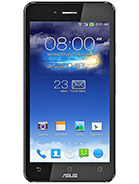
This summer, AsusTek Computer Inc. claims you don't need both a phone and a tablet - as long as you get its new PadFone X. The PadFone works like any other phone and has a screen that measures 5 inches diagonally. When you want a tablet experience, you simply slip the phone into a slot on the back of the tablet display, which is included. All the apps on the phone now work on the 9-inch tablet. The phone is what runs the tablet. Asus is bringing this concept to the U.S. for the first time.
In some cases, apps switch to the tablet screen automatically, so you don't have to restart the video or reopen the mail app. In other cases, you'll have to close the app and reopen it after attaching the phone to the tablet screen.
For apps that have been optimized for tablets, the layout on the PadFone rearranges automatically to use the extra space. Yet it's fundamentally a phone. You can make calls in tablet mode, using earphones or the device's speakerphones.
Nice price
It's like buying a phone and getting a tablet for free. Available only through AT&T, the PadFone costs $550 without a contract, or about $100 cheaper than Apple iPhone 5s (Review | Pictures) and Samsung's Galaxy S5 (Review | Pictures). With a two-year service contract, it's the usual $200 that most carriers charge for a high-end phone.
Advantages
Because the two parts count as one device, you don't need a second data plan, which typically runs $10 a month for a tablet under AT&T's sharing plans. This setup also ensures that the tablet has cellular connectivity. Many other tablets work only with Wi-Fi.
In addition, you don't need to install apps twice. Whatever you get on your phone automatically appears on the tablet. You just pick up where you left off whenever you switch, with no need to sync data or settings.
Compromises
The phone on the back adds bulk to the tablet. It's about three-quarters of an inch at the center, where the phone slot is located. It's also heavy. The combination weighs nearly 1.5 pounds, compared with a pound for the iPad Air.
Do you need it?
I'm typically a fan of having multiple devices for different circumstances. Here, you're getting extra thickness and weight in fusing the two gadgets.
There's a case for the PadFone, though, if you're someone who uses a tablet only at home. You can carry the phone with you during the day and attach it to the tablet screen when you get home. You don't have to worry about what apps and data are on which device.
Asus could have gone further, though, making a range of tablet screens available. You might want a 7-inch screen for reading, but a 12-inch screen for video. Why not offer choices to mix and match?